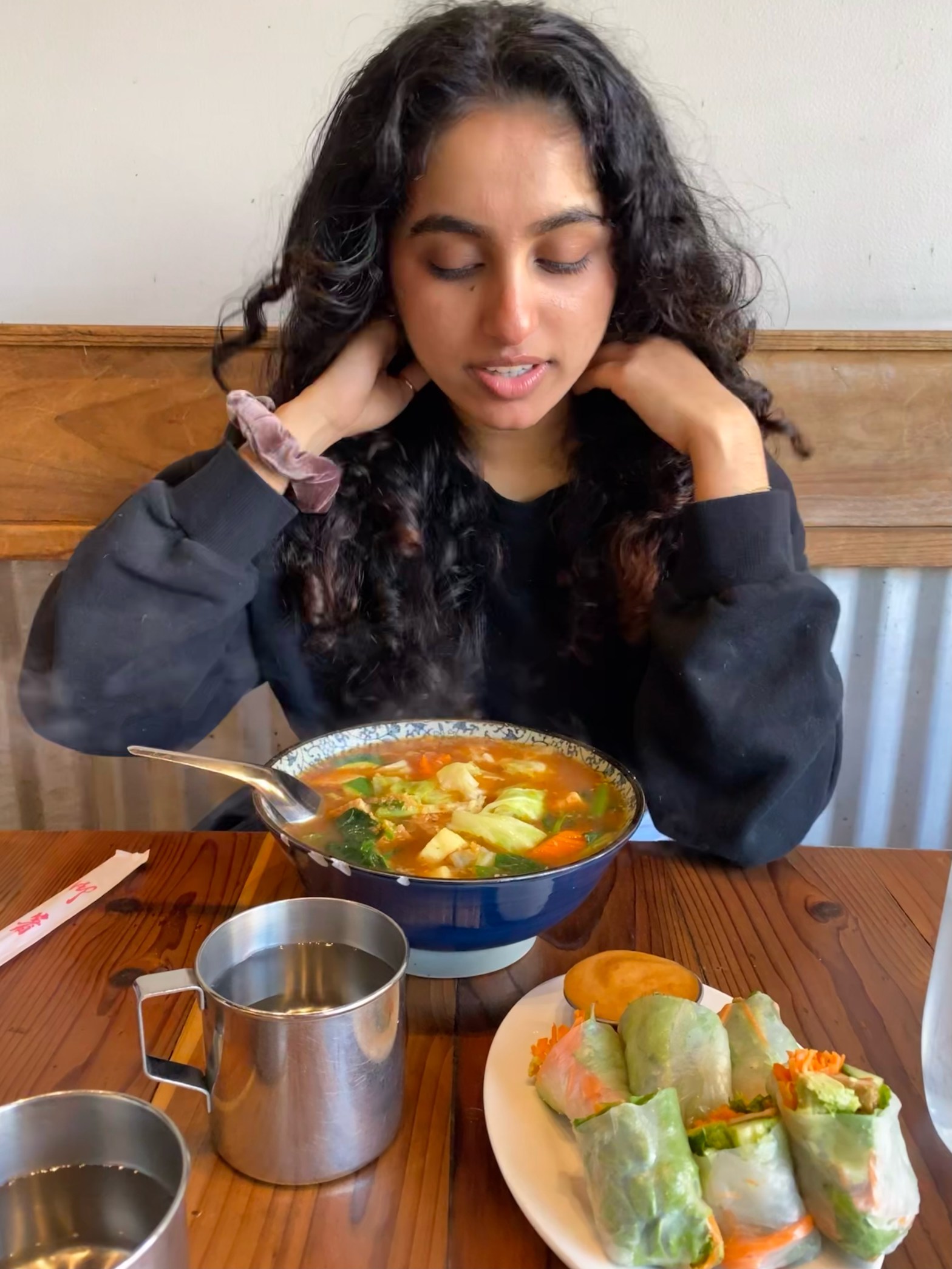
University life allows students novel liberty to sleep, eat, and work at the luxury of their schedule. This new lifestyle welcomes standard late-night study sessions, occasional all-nighters, and frequent nights out with friends. Naturally, stomachs will begin rumbling. A happy belly is just an Uber Eats order away. It can be a stroll to the kitchen. It is also the only open restaurant within a 1-mile radius. Regardless of where the food comes from, it’s inevitable that students will have many more late-night eats in university that they would at home.
Eating at these times can cause anxiety or stress for several reasons. The first can be fear of weight gain. It’s critical to understand that the student is working more in college than they would at home. The student is busy with a bucketload of academic demands, club meetings, research projects, and personal activities. Abundant energy is required for a healthy, functioning body and brain to sustain these responsibilities. It is more beneficial to stay fueled during long study sessions instead of forced starvation.
Staying hungry to prevent weight gain can backfire in the long run. When starving oneself, the body begins to consume readily-available glucose. Eventually, muscle mass is used as the energy source to sustain bodily functions. This process results in decreased muscle mass and, consequently, reduced metabolism. A slower metabolism means that one will gain weight more quickly because the body doesn’t metabolize food as efficiently.
To have a higher metabolism, it is critical to consume a good amount of food. Many students in college aim to increase muscle mass, which implies eating in a caloric surplus (of primarily nutritious food). That late-night burrito or milkshake that one might usually avoid, might actually help in keeping up their metabolism high.
Putting the biological and fitness perspective aside, most people can agree that it feels better to enjoy the present moment. It feels better to relish a burger or slushie with friends instead of passing it up out of fear of gaining weight. Having a habit of avoiding food you deep-down crave can lead to disordered eating patterns and, potentially, an eating disorder.
One reason that eating disorders and disordered eating patterns are prevalent in college is because of body stereotypes. It is many students’ first taste of freedom to wear whatever they want. Wearing more revealing clothing and trying on new outfits is a given. This independence can give rise to body insecurities, impacting how much food a student chooses to consume. For instance, wearing more revealing tops can make individuals feel insecure about their waist or hip dips. Tighter pants can make someone feel ashamed of their leg shape. In this way, students can deliberately starve themselves to fit a particular body standard.
It is important to make students realize that they shouldn’t feel guilty to have an extra meal or snack more frequently. One should not ignore their body’s requests, especially when it comes to food. Being hungry is the body’s way of asking for energy and denying it can lead to health problems down the road.
Curving that cake slice or taco plate can do more harm than good because, if done consistently, it can severely reduce one’s metabolism and self-esteem. Remind yourself that life is supposed to be enjoyed, devoured, and experienced to the fullest.
Say YES to the extra pizza slice, late-night ramen, and colossal sandwich.
Say yes.
 J I V A W A Y S
Yes, Love your blog without any doubt
Yes, I like the info shared in this
Yes, I like your writing style and way of presenting your blog.
Great job.
LikeLike